The Power of Education in Shaping a Better Future
4/3/20263 min read
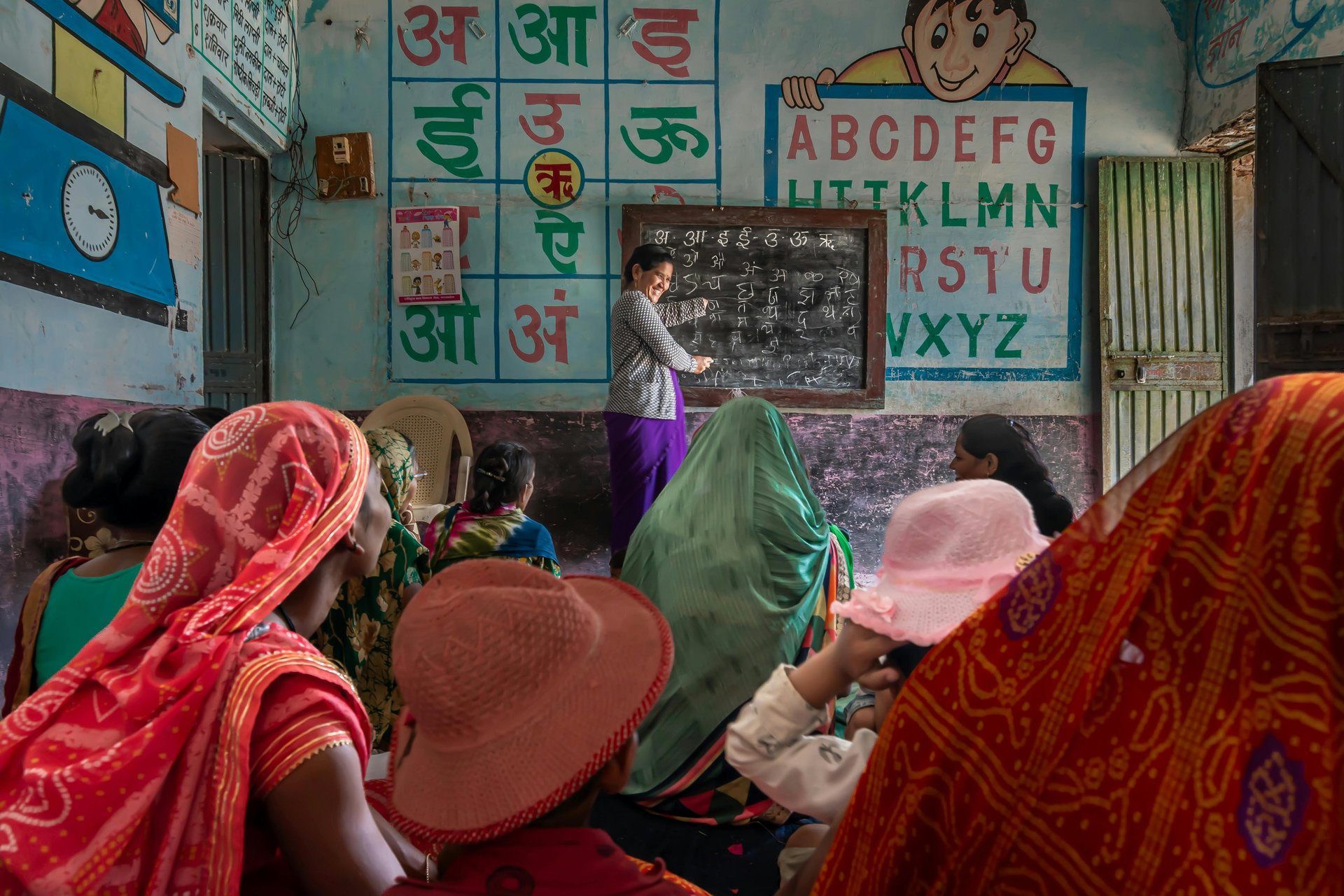
Education is not restricted to college degrees; it, in fact, is a lifelong process of acquiring knowledge, skills, values, beliefs, and habits. With education, a person’s human potential, critical thinking, and character are developed; it gives a person a unique identity and personality. An uneducated person tends to get manipulated easily—they don't have a unique way of thinking of their own and can easily follow the orders of a higher subordinate without a second thought.
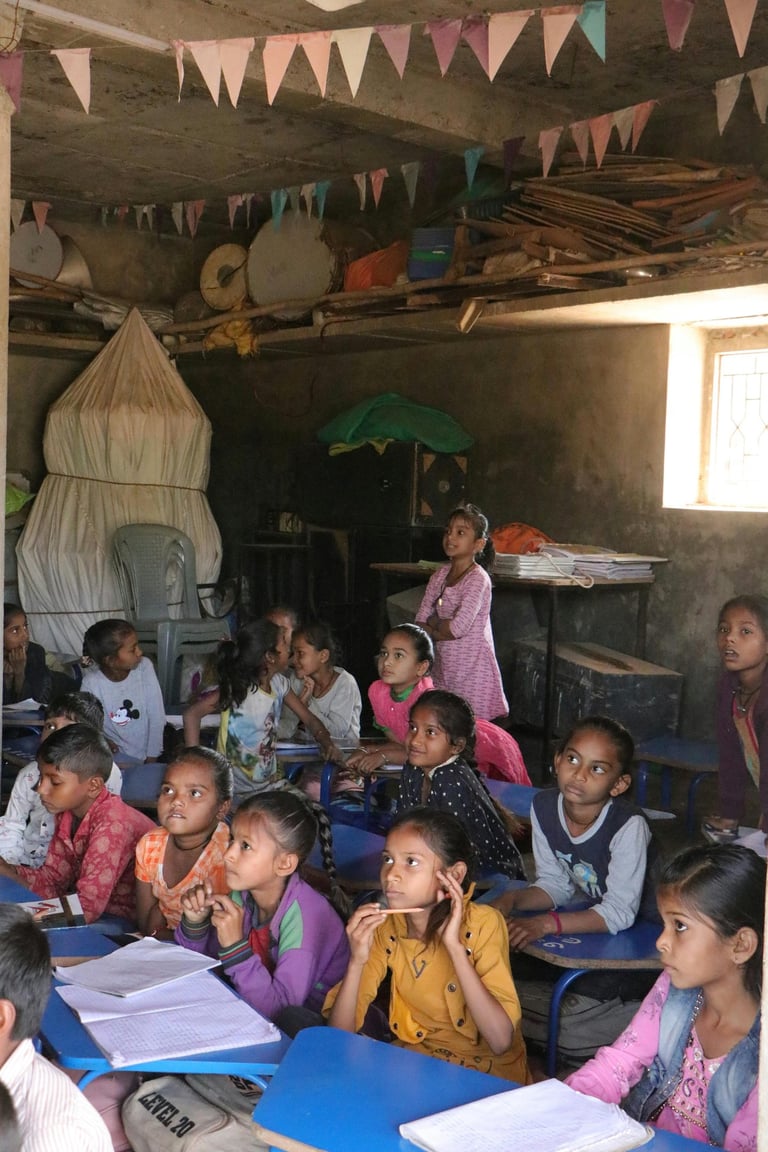
Education helps individuals to secure a job, earn their money, and live in safe environments. An educated person knows their legal rights and has the will to fight or to demand change. Education shapes a better future by fostering critical thinking, resilience, and essential life skills in students, breaking cycles of poverty and enhancing socio-economic status. It transforms traditional learning into an active process, boosting self-esteem and preparing individuals for the modern world.
Education in the Modern World
In the 21st century, rapid technological change demands adaptability and lifelong learning. Various texts highlight that critical thinking, problem-solving, and creativity are among the most essential skills for the future workforce. Education systems that encourage these skills prepare students not only for specific careers but also for continuous learning in a changing job market. Beyond technical knowledge, education nurtures resilience, communication skills, and ethical awareness. These qualities are essential in addressing global challenges such as climate change, inequality, and technological disruption.
Social Development
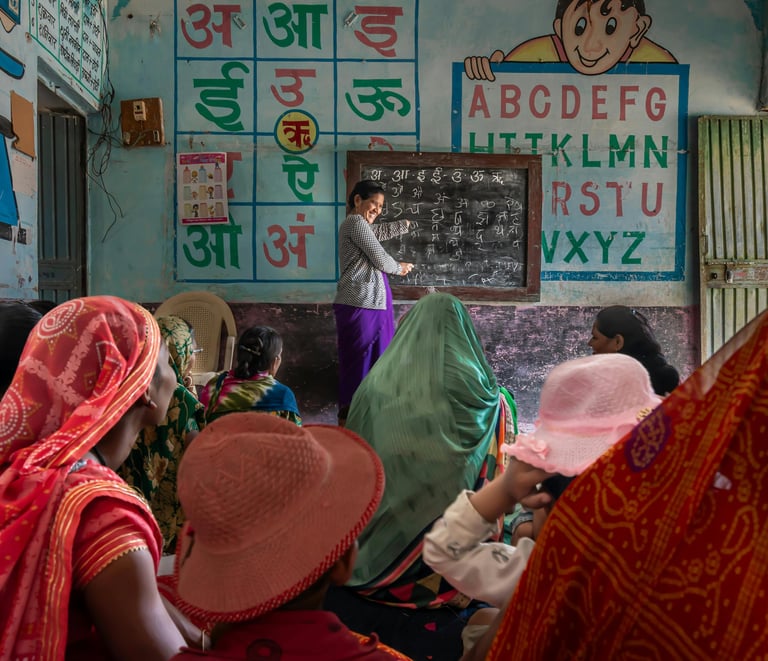
Education contributes significantly to social progress. The United Nations Educational, Scientific and Cultural Organization (UNESCO) emphasizes that education promotes gender equality, social inclusion, and civic participation. For example, educating girls has been shown to reduce child marriage rates, improve maternal health, and increase community well-being. Women who are educated can take a stand for themselves in uncomfortable situations. They know their civil rights and are also aware of the different means to get help when necessary.
Moreover, educated individuals are more likely to engage in civic activities such as voting and volunteering. They have a stronger understanding of social issues and are better equipped to advocate for justice and equality. In this way, education fosters active, informed citizens who contribute positively to democratic societies.
Youth is the backbone of the world. Young children are enthusiastic about learning new things. Education helps them to grow, understand and decide. They are enabled to question the assumptions and approach challenges with innovative solutions. It breaks down the social barriers of gender, power, money, and status. It also promotes gender equality, bridging the gender gaps by empowering all genders to realize their full potential and challenging societal norms.
Physical and mental health
Education is closely linked to better health. Research from the World Health Organization (WHO) shows that higher levels of education are associated with longer life expectancy and healthier lifestyles. Educated individuals are more likely to understand health information, seek medical care when needed, and adopt preventive practices.
At a community level, education helps break cycles of poverty and poor health. For example, parents with more education are more likely to ensure their children receive proper nutrition, vaccinations, and schooling—creating a positive, intergenerational impact.
Mental health is still considered a taboo in many parts of the world. According to the Times of India, “In India, people with severe mental illnesses often turn to temples and shrines, not to doctors.” With education, people are becoming more aware and have started to find solutions that actually work. There are many mental health diseases that limit individuals. They can be both severe or moderate. It restricts a person's potential. Many students doubt their abilities. This self-doubt can lead to procrastination, fear of failure, and underperformance. Education and counseling centers in schools support the people who are suffering, allowing them a better future.
Conclusion
Education does more than just provide knowledge; it shapes character, opportunity, and growth. It empowers individuals to make informed decisions, pursue meaningful goals, and contribute to society. When governments and communities invest in accessible, quality education, they invest in sustainable development and long-term stability. As recognized in the United Nations Sustainable Development Goals, particularly Goal 4, quality education. Ensuring inclusive and equitable education is fundamental to building peaceful and prosperous societies. The evidence is clear: education remains one of the most effective tools for shaping a better, brighter future for all.
Empowerment
Transforming lives through education and resources.
Impact
Change
goldenwishfoundation2021@gmail.com
+91-8638249552
© 2025. All rights reserved.